
Understanding Sports Broadcasting Fundamentals
Defining Sports Broadcasting
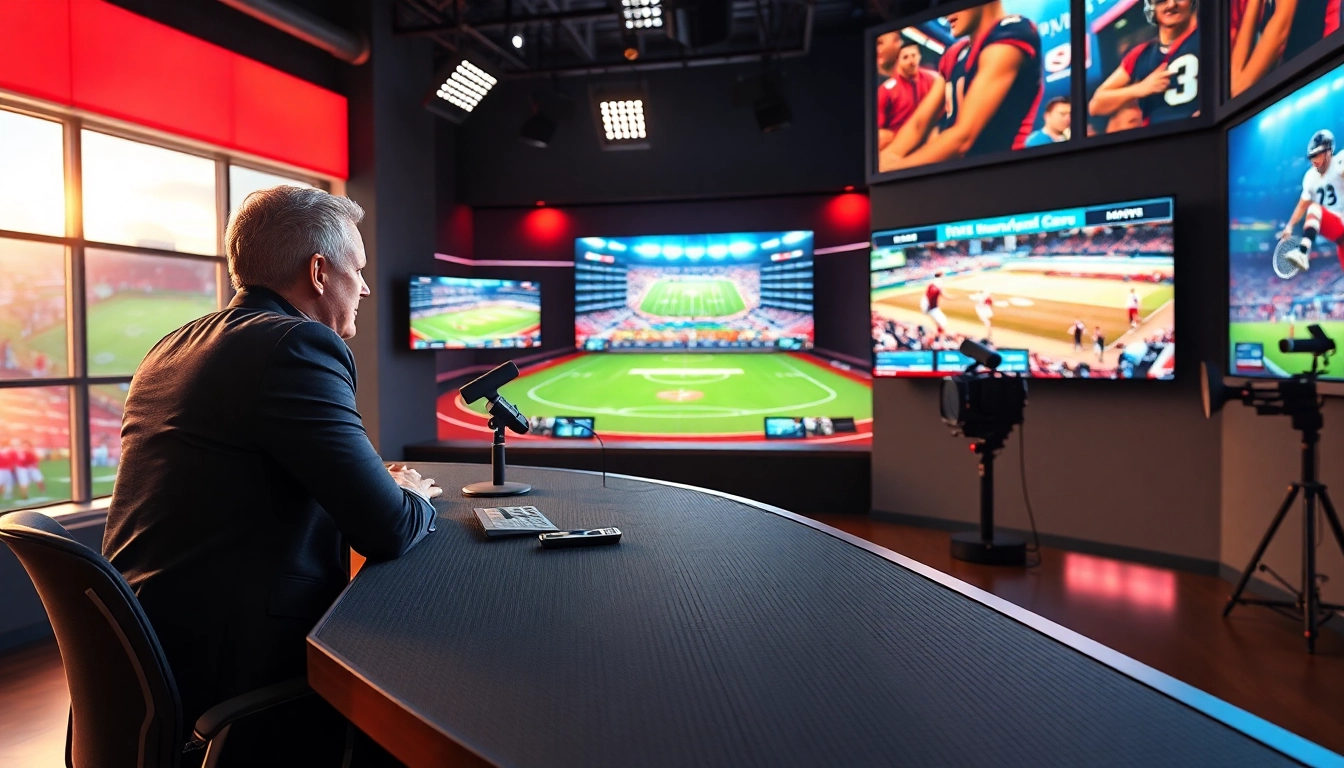
Sports Broadcasting is the process of transmitting live or recorded sports events to an audience through various platforms, including television, radio, and digital streaming services. It plays a crucial role in connecting fans with their favorite sports, athletes, and teams, while also contributing significantly to the revenue of sports organizations through advertising, sponsorships, and subscriptions. By sharing the excitement and drama of sporting events, Sports Broadcasting has become a vital link between the sport and its enthusiasts.
Key Roles in Sports Broadcasting
Within the realm of sports broadcasting, various roles are crucial to delivering a seamless viewing experience. Some of the key players include:
- Producers: They oversee the entire production process, from planning the broadcast to coordinating various elements such as camera angles, graphics, and audio.
- Commentators: These individuals provide live commentary and analysis of the events as they unfold, helping the audience understand the nuances of the game.
- Cameramen: Responsible for capturing the action, cameramen must anticipate key moments and adopt creative angles to enhance the viewing experience.
- Technical Directors: They manage the technical aspects of the broadcast, ensuring that all equipment operates smoothly and that the signal is transmitted without interruptions.
- Editors: Editors work on post-production, creating highlight reels and packages that can be used for promotional purposes or recap shows.
Types of Sports Broadcasting Formats
Sports broadcasting can take various formats, each catering to different audience preferences and technological advancements. The main formats include:
- Live Broadcasting: This format allows fans to watch events as they happen, often accompanied by live commentary and real-time analysis.
- Recorded Broadcasts: These are pre-recorded events that can be edited for content quality, often highlighting the most exciting moments of a game.
- Streaming Services: With the rise of digital media, platforms such as Twitch and YouTube Live have emerged, focusing on niche sports or providing unique personalities and commentary.
- Radio Broadcasting: While more traditional, radio broadcasts still play an essential role by allowing fans to follow their favorite teams on the go, relying heavily on commentary and sound effects.
- Highlight Shows: These are short, edited programs that showcase key moments from games or tournaments, appealing to audiences with limited time.
Essential Equipment for Sports Broadcasting
Broadcasting Technology Overview
The technology used in sports broadcasting is continually evolving. A modern broadcasting setup typically includes a combination of cameras, microphones, and various audio and visual equipment. Staying up-to-date with the latest advancements is crucial for delivering high-quality content. High-definition video, drone cameras, and advanced graphics software can significantly enhance production quality, making broadcasts more engaging and informative for viewers.
Camera and Audio Equipment
High-quality visuals and sound are foundational elements of effective sports broadcasting. Key equipment includes:
- Cameras: HD and 4K cameras are standard in today's broadcasts. Multiple camera angles provide comprehensive coverage of the event. Specialty cameras like slow-motion and 360-degree cameras offer unique perspectives that can elevate the viewing experience.
- Microphones: Quality audio equipment, such as lapel and shotgun mics, captures the sounds of the game, including commentary, crowd reactions, and on-field sounds, all of which contribute to the atmosphere of the broadcast.
- Mixers and Switchers: These devices allow producers to control audio levels and switch between different camera feeds seamlessly during the live broadcast.
Setting Up for Live Broadcasts
Preparation is key to successful live sports broadcasts. A well-coordinated setup often includes:
- Pre-Event Planning: Establishing timelines and laying out logistics helps ensure that everyone knows their roles and responsibilities.
- Technical Rehearsals: Conducting equipment tests well before the event ensures that all systems are functioning and that any issues can be addressed in advance.
- On-Site Coordination: Having a strong on-site team to manage equipment, make adjustments, and troubleshoot problems during the event can significantly improve the broadcast quality.
Techniques for Engaging Sports Broadcasting
Storytelling in Sports Broadcasting
Storytelling is an art in sports broadcasting. Engaging narratives can captivate an audience's attention, transforming a standard broadcast into a memorable experience. Techniques include:
- Player Profiles: Creating backstories on athletes, their journeys, and significant challenges can create emotional connections with the audience.
- Game Context: Providing context about the stakes of a match—like playoff positioning or rivalry history—adds depth to the analysis.
- Fan Interaction: Incorporating fan reactions and opinions can create a more inclusive viewing experience, reinforcing the community aspect of sports.
Utilizing Social Media for Enhanced Interaction
With the rise of social media, broadcasters can now engage with audiences in real time. Strategies include:
- Live Updates: Sharing live scores, highlights, and commentary encourages fans to participate in discussions across various platforms.
- Viewer Polls and Q&A Sessions: Interactive segments allow audiences to engage and feel included, increasing overall satisfaction and loyalty.
- Content Sharing: Broadcasting short clips or highlights on social media platforms helps reach wider audiences and promotes the main broadcast.
Creating a Unique Broadcasting Style
Every broadcaster should strive for a distinctive voice that resonates with their audience. This can be achieved through:
- Personal Branding: Commentators and on-screen personalities develop a distinct style that reflects their unique insights, humor, or emotional connection to the sport.
- Innovative Visuals: Utilizing graphics, statistics, and animations can add an engaging layer to the analysis, making it more visually appealing.
- Dynamic Commentary: Balancing emotion, analysis, and play-by-play enhances the narrative while keeping viewers engaged.
Challenges in the Sports Broadcasting Industry
Managing Real-time Events
One of the primary challenges in sports broadcasting is managing real-time events where anything can happen. To overcome this:
- Preparedness: Establishing clear protocols for unexpected situations, such as sudden weather changes or technical difficulties, ensures a smooth broadcast.
- Skilled Teams: Employing a team capable of thinking quickly and adapting to unforeseen circumstances is critical for maintaining broadcast integrity.
- Backup Systems: Investing in redundancy in terms of technology helps mitigate issues in case of failure.
Legal and Ethical Considerations
Broadcasting involves navigating a complex landscape of legal and ethical issues, including:
- Copyright Laws: Understanding and abiding by rules related to broadcasting rights is essential to avoid legal repercussions.
- Fair Reporting: Impartiality and accuracy in reporting ensure ethical standards are upheld, maintaining audience trust.
- Privacy Concerns: Respecting the privacy of players, coaches, and fans is vital when reporting personal stories or controversies.
Adapting to Technological Changes
The rapid pace of technological advancements poses a challenge for broadcasters. Strategies to adapt include:
- Continuous Education: Keeping abreast of new technologies through ongoing training for staff ensures they are equipped to handle modern broadcasting tools.
- Investing in R&D: Allocating resources for research and development can lead to innovative broadcasting techniques that attract and retain viewers.
- Partnerships: Collaborating with tech companies can provide broadcasters access to cutting-edge tools that enhance the viewing experience.
Measuring Success in Sports Broadcasting
Key Performance Indicators (KPIs)
Analyzing KPIs is essential for evaluating the effectiveness of sports broadcasts. Common metrics include:
- Viewership Ratings: Tracking how many viewers watch a broadcast helps assess its reach and popularity.
- Audience Retention: Understanding how long viewers stay tuned can provide insights into engagement levels and whether the broadcast meets audience expectations.
- Advertising Revenue: Higher revenue indicates demand and interest, reflecting a successful broadcast.
Audience Engagement Metrics
Engagement metrics are vital for understanding how well the audience connects with the content. Indicators include:
- Social Media Interactions: Likes, shares, and comments on social media platforms can gauge the audience's response to broadcasts.
- Content Shares: The frequency of shared content, such as highlights or interviews, reflects audience enthusiasm and promotes organic reach.
- Fan Feedback: Collecting and analyzing viewer feedback through surveys can help identify areas of improvement and strengthen viewer connections.
Feedback and Continuous Improvement
Continuous improvement is the cornerstone of successful sports broadcasting. Techniques include:
- Post-Event Reviews: Analyzing key aspects of the broadcast helps identify what worked and what didn’t.
- Listener Surveys: Gathering direct feedback from audiences provides actionable insights for future improvements.
- Benchmarking Against Competitors: Evaluating against competitor broadcasts helps identify gaps and opportunities.
Frequently Asked Questions
What is sports broadcasting?
Sports broadcasting is the transmission of live or recorded sports events to audiences via television, radio, or digital platforms, aimed at engaging fans and enhancing their experience.
What roles are involved in sports broadcasting?
Key roles include producers, commentators, cameramen, technical directors, and editors, each essential for the successful execution of a broadcast.
How is equipment set up for live broadcasting?
Live broadcasting requires meticulous planning, including pre-event logistics, technical rehearsals, and coordinated on-site teams to ensure smooth operations.
What are some challenges faced by sports broadcasters?
Challenges include managing real-time events, navigating legal and ethical issues, and adapting to rapid technological changes in the industry.
How is success measured in sports broadcasting?
Success is measured using KPIs such as viewership ratings, audience engagement metrics, and audience feedback, allowing broadcasters to identify areas for improvement.